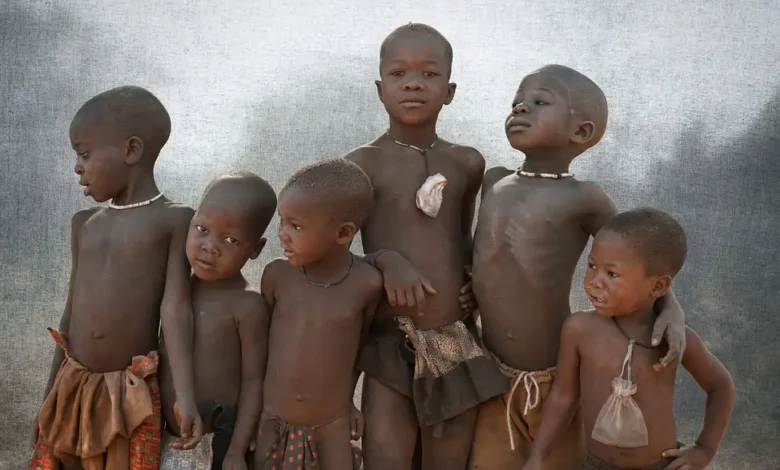
The Suku Mante tribe is one of the fascinating and lesser-known indigenous groups that has managed to preserve its traditions, customs, and cultural practices in a modern world increasingly dominated by global influences. Primarily located in the heart of the African continent, the Suku Mante people have long maintained a unique way of life that sets them apart from surrounding tribes. Known for their rich cultural heritage, distinct social structures, and resilient spirit, the Suku Mante offer a captivating glimpse into one of the most ancient and enduring civilizations of the African landscape.
Origins and History of the Suku Mante Tribe
The Suku Mante people are believed to have originated from the southern part of the African continent, particularly in regions that today cover parts of the Democratic Republic of Congo (DRC) and the Republic of the Congo. Their history dates back centuries, with evidence pointing to a thriving community long before colonialism reshaped much of Africa. As an ethnic group, the Suku Mante are distinguished by their unique language, customs, and lifestyle, all of which have been passed down through generations.
Their origins are steeped in folklore, with elders and storytellers playing a crucial role in maintaining the tribe’s history. These oral traditions are not only a means of recording the past but also serve as a method of educating the younger generation about their identity, values, and the tribe’s ancestral ties to the land.
The Language of the Suku Mante Tribe
One of the most distinctive features of the Suku Mante tribe is their language. The Suku Mante speak the Suku language, which belongs to the Bantu language family. While the language remains widely spoken within the tribe, the influence of surrounding cultures and the rise of global languages like French and Swahili has created a shift in language usage, especially among the younger generation. Despite this, efforts are underway within the tribe to preserve the Suku language through education and cultural programs.
The language is more than just a mode of communication—it is the vessel through which their history, values, and traditions are kept alive. Elders in the tribe are the primary storytellers, passing down knowledge and history in a language rich with metaphor and meaning.
Social Structure and Governance
The social structure of the Suku Mante tribe is deeply rooted in tradition and hierarchy. The tribe is generally organized in a manner that places great importance on elders and clan leaders. These leaders are responsible for guiding the tribe, making decisions that affect their community, and settling disputes. They are often chosen based on their wisdom, experience, and ability to maintain the tribe’s cultural integrity.
Family is the foundation of the tribe’s social organization, and it is the elders who maintain a balance between the traditional and the contemporary. In the Suku Mante society, respect for elders is paramount, and younger members of the tribe are expected to demonstrate obedience and reverence towards their elders.
Cultural Practices and Traditions
The cultural practices of the Suku Mante are as varied and rich as their history. Central to their way of life is a deep connection to the land and nature. Agriculture, particularly the cultivation of cassava, yams, and plantains, plays a significant role in the daily life of the tribe. They are also known for their unique forms of craftsmanship, including beadwork, pottery, and the creation of intricate textiles, which serve both as art and as functional items for the community.
A key cultural practice within the Suku Mante is their elaborate ceremonies and rites of passage. These ceremonies are not only a celebration of an individual’s life stages but also an important way to honor the gods, ancestors, and the spiritual forces believed to govern the universe. Initiation rituals are an essential part of life in the tribe, marking the transition from childhood to adulthood and ensuring that young members understand and embrace their roles within the tribe.
Religious Beliefs and Spirituality
Spirituality is integral to the Suku Mante way of life. The tribe holds a deep reverence for nature, ancestors, and the divine forces that are believed to guide their lives. They believe in a creator god who is responsible for the creation of the world and the establishment of order in nature. Ancestor worship plays a central role in their religious beliefs, with the spirits of ancestors believed to watch over the living and offer protection.
Rituals and ceremonies dedicated to the ancestors are carried out throughout the year, and they are seen as a way to honor the past while ensuring the tribe’s continued well-being. The belief in a spiritual connection to the land is so strong that the tribe’s sacred sites are often treated with great care, and the land is seen as a living entity that provides sustenance and spiritual strength.
Challenges and Modern Influences
Like many indigenous groups, the Suku Mante tribe faces a host of challenges in the modern world. The pressures of globalization, deforestation, and the encroachment of urbanization threaten their traditional way of life. Furthermore, the younger generation’s exposure to urban lifestyles and Western ideologies has led to a shift in some cultural practices, as many young people seek opportunities outside their ancestral lands.
However, the Suku Mante people remain resilient. There are ongoing efforts to preserve their language, customs, and traditions. Educational programs, cultural exchanges, and digital media are helping to bridge the gap between generations, ensuring that the rich heritage of the Suku Mante is not lost.
Conclusion
The Suku Mante tribe represents a fascinating example of cultural persistence in the face of modern challenges. Their unique language, social structure, and spiritual practices offer a glimpse into a world that values tradition, community, and a deep connection to the land. While the tribe faces challenges from external influences, their resilience and dedication to preserving their heritage ensure that the legacy of the Suku Mante will continue to thrive for generations to come.
This tribe stands as a testament to the strength of indigenous cultures and the importance of cultural preservation in a rapidly changing world. Their story is one of survival, pride, and a steadfast commitment to maintaining their identity in the face of adversity.